Brazilian Carnival: Foodways, Culture, and Rhythm
Howe Center, Building 5, Rhythm Hall | October 20, 2026
Cultural Perspective and Learning Through Food and Music
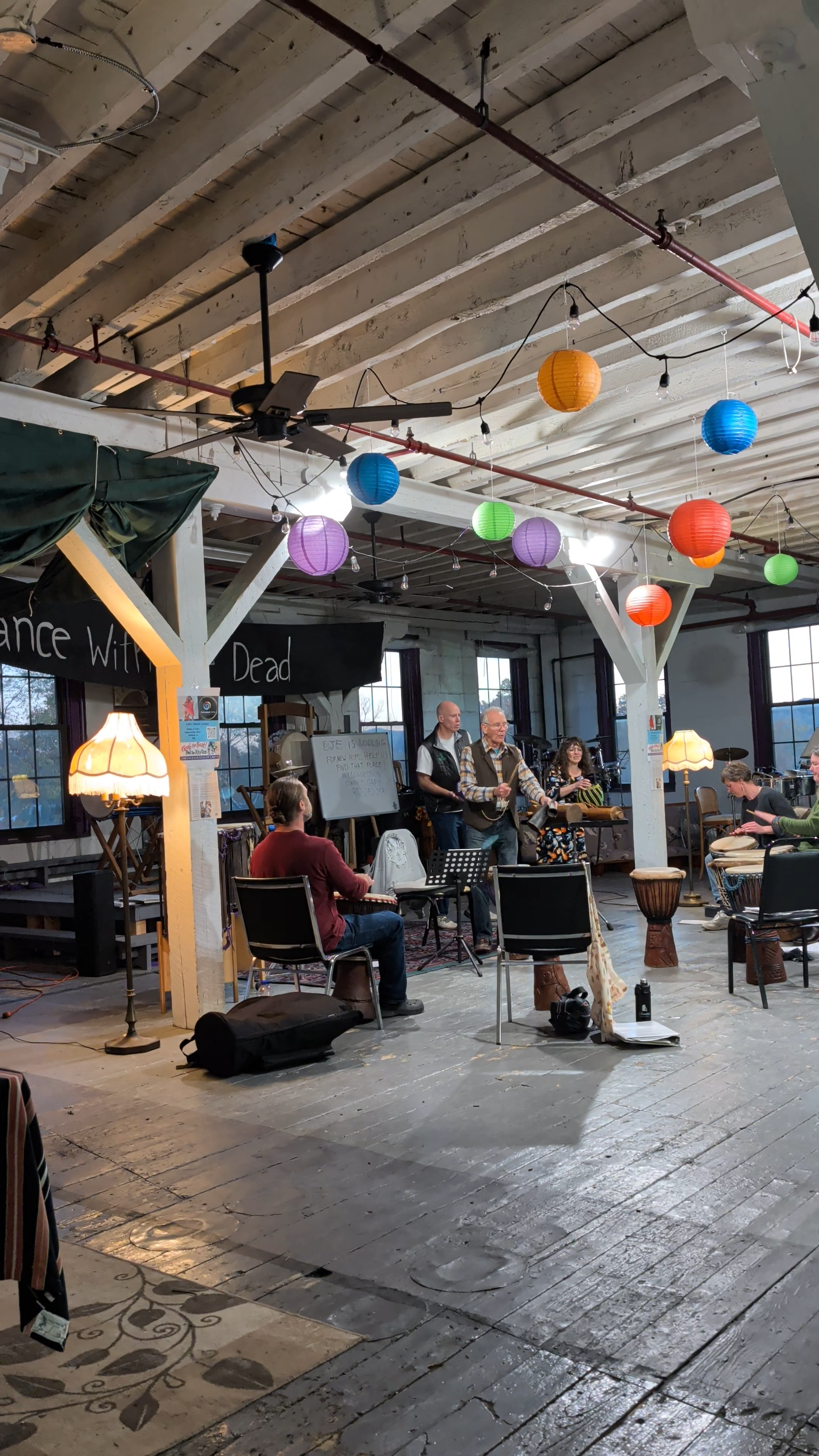
To paraphrase a recent lesson from Gary Meittrot, head of the Drum Journeys of the Earth school, when we immerse ourselves in another culture, we need to relax our cultural mindset.
He teaches that our cultures and the ways we approach things can be considerably different. We can't help but come at new experiences through the lens of who we are and how we understand the world. We must remind ourselves that we're encountering something different and allow ourselves to see it from a new perspective.
The idea of learning by immersing ourselves in something different is the theme of our mini-gathering.
Here’s Your Simple, Stress-Free Meal Plan for Grass-Fed Normande Beef
Including 8 ground beef dinner ideas like Beef Burritos, Old-Fashioned Meatloaf, and Scrambled Hamburger.
Laura, your ground beef is delicious. I made a goulash and the freshness jumped right out of the bowl! Nothing like it!”
~Nancy
Connecting Brazilian Carnival to Rutland's Skellies
When Moxie and I first started dating, I remember going to a local parade with samba music and dancers. I had my two little girls with me. Those dancers were inspiring. Uninhibited, and the music felt good. It was a seed planted that launched me on my own drumming journey.
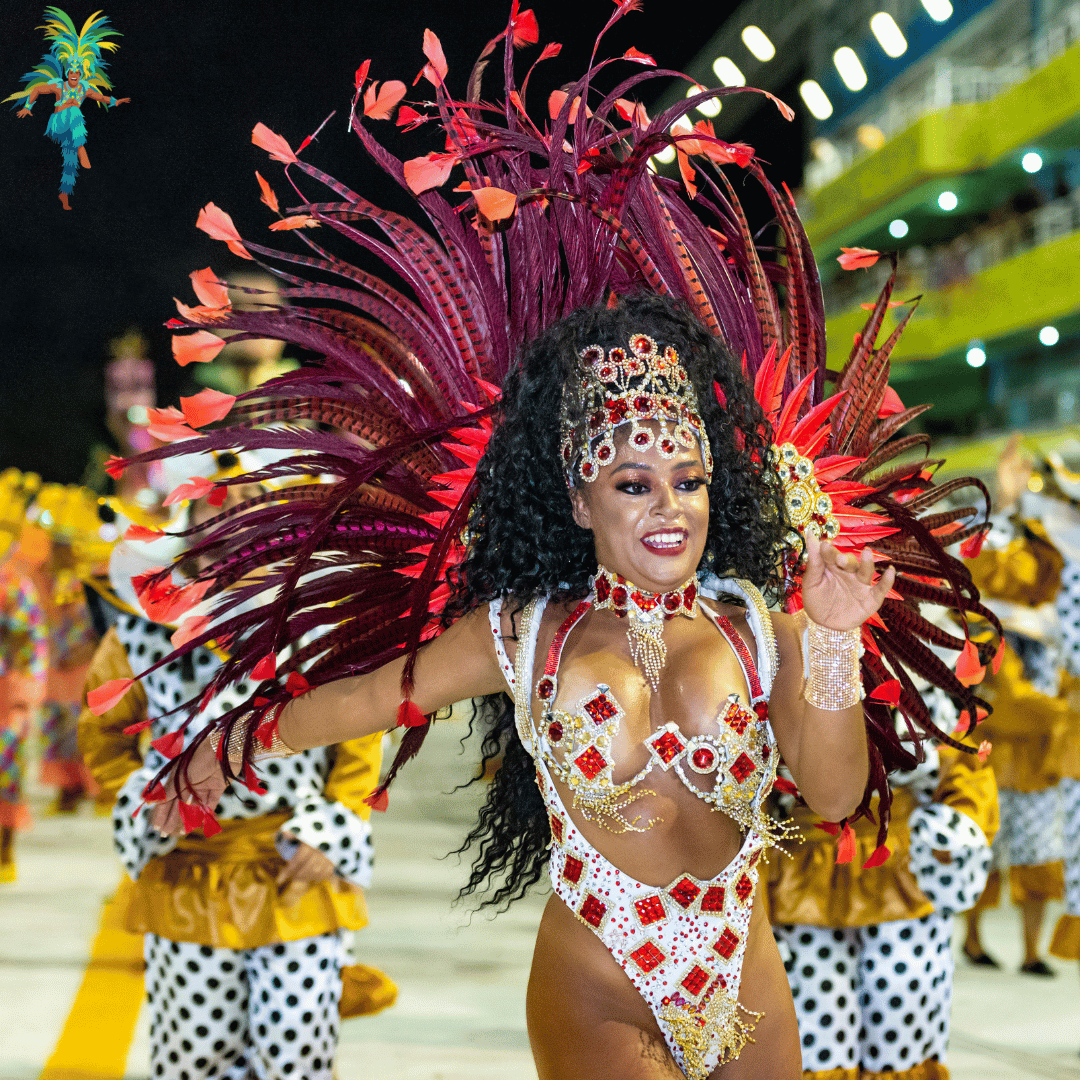
Rio de Janeiro's Carnival is an enormous celebration of samba, music, dancing, and community. It includes samba schools, performances at the Sambadrome, and neighborhood street celebrations known as blocos de rua.
Albeit much smaller, our own Halloween Parade here in Rutland, Vermont, has a similar power to bring people together. The Skellies percussionists and performers help make it a distinctive community tradition. Gary is a founding member of the Skellies, and I see how this celebration has added to Rutland’s identity built around creativity, music, and participation.
Our local parade is scheduled for Saturday, October 24, 2026.
https://www.rutlandrec.com/halloweenparade/
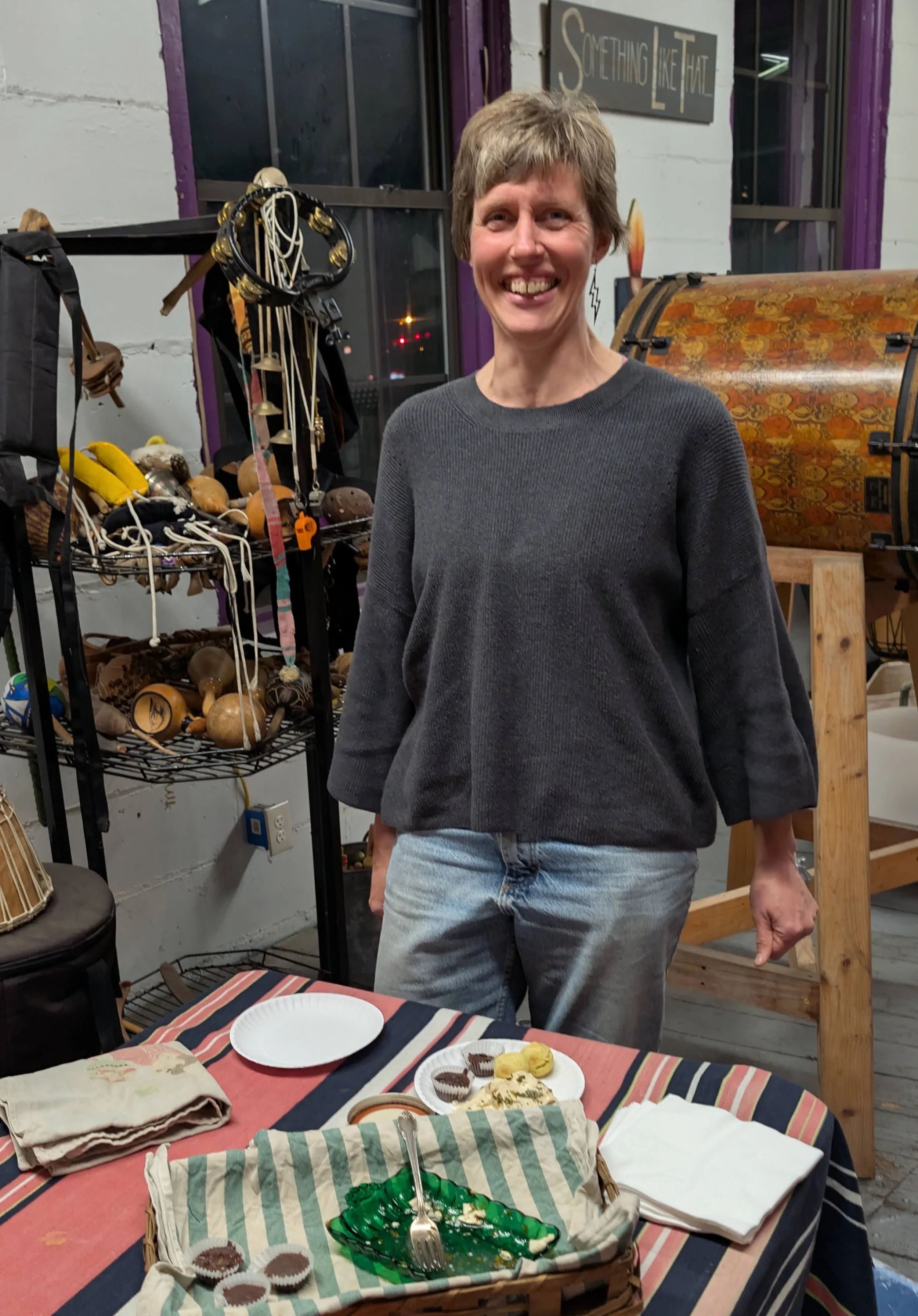
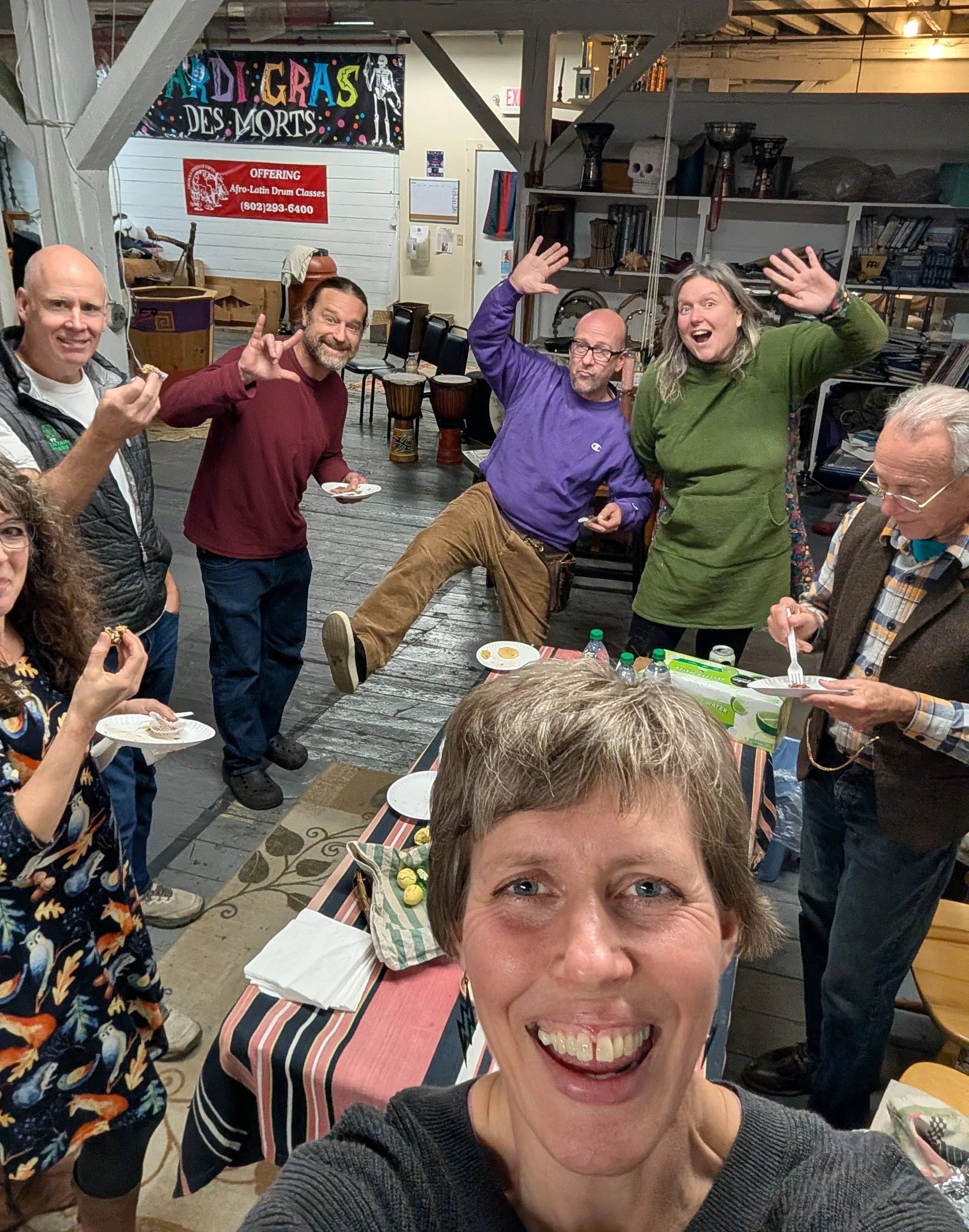
During class last Tuesday, I shared Brazilian samba street food with the Intermediate Djembe class. Gary is developing our leadership skills, and this meal brought together the things I've been learning about the ethnography of cuisine, culture, and rhythm.
Carnival, Social Inversion, and a Different Perspective
One thing I don't want to leave out is the idea of inversion.
Carnival takes place before Lent. Mardi Gras, or Fat Tuesday, is the final day of celebration before the traditional Lenten season begins. Carnival is often associated with feasting before a period of abstinence.
But Carnival is about much more than food or the calendar.
Historically, Carnival has also been understood as a time when ordinary social expectations could be turned upside down. People might dress in ways that crossed social boundaries or temporarily take on different roles. This offered opportunities for growth, insight, and awareness.
Food is shaped by social class, power, and access to resources. The history of agriculture is also a history of people, land, technology, and changing relationships. And agriculture, like most industries and markets, is responding to powerful technological and social changes.
As a farmer, I think inversion is a useful concept when we imagine the future we want to create for our children.
What if we changed the way we think about agricultural success? What if we put deep topsoil, water security, and the production of whole foods at the center of our decisions?
What if we designed agricultural systems to support both human and ecological resilience?
The Biocultural Framework: Biology, Ecology, and Culture
In my foodways class, we've been looking at food and agriculture from Indigenous beginnings through the present day. The framework guiding my exploration is the biocultural framework of biology, ecology, and culture, discussed in The Cultural Feast: An Introduction to Food and Society by Bryant and colleagues (2004).
I’m familiar with parts of the industrial agriculture story, but examining its history and cultural context through food has been eye-opening. Examining its history and cultural context has helped me see connections I hadn't considered before.
The three parts of the framework help us understand what people eat, a measure of their nutritional status or well-being, and how food traditions develop meaning.
Biology: Our nutritional needs and how food supports our bodies.
Ecology: The land, plants, animals, and environmental conditions that influence which foods are available.
Culture: The knowledge, traditions, relationships, and historical forces that shape how people grow, prepare, and share food.
Brazilian cheese bread is an excellent example of how these three elements intersect.
Pão de Queijo: Brazilian Cheese Bread and the History of Cassava
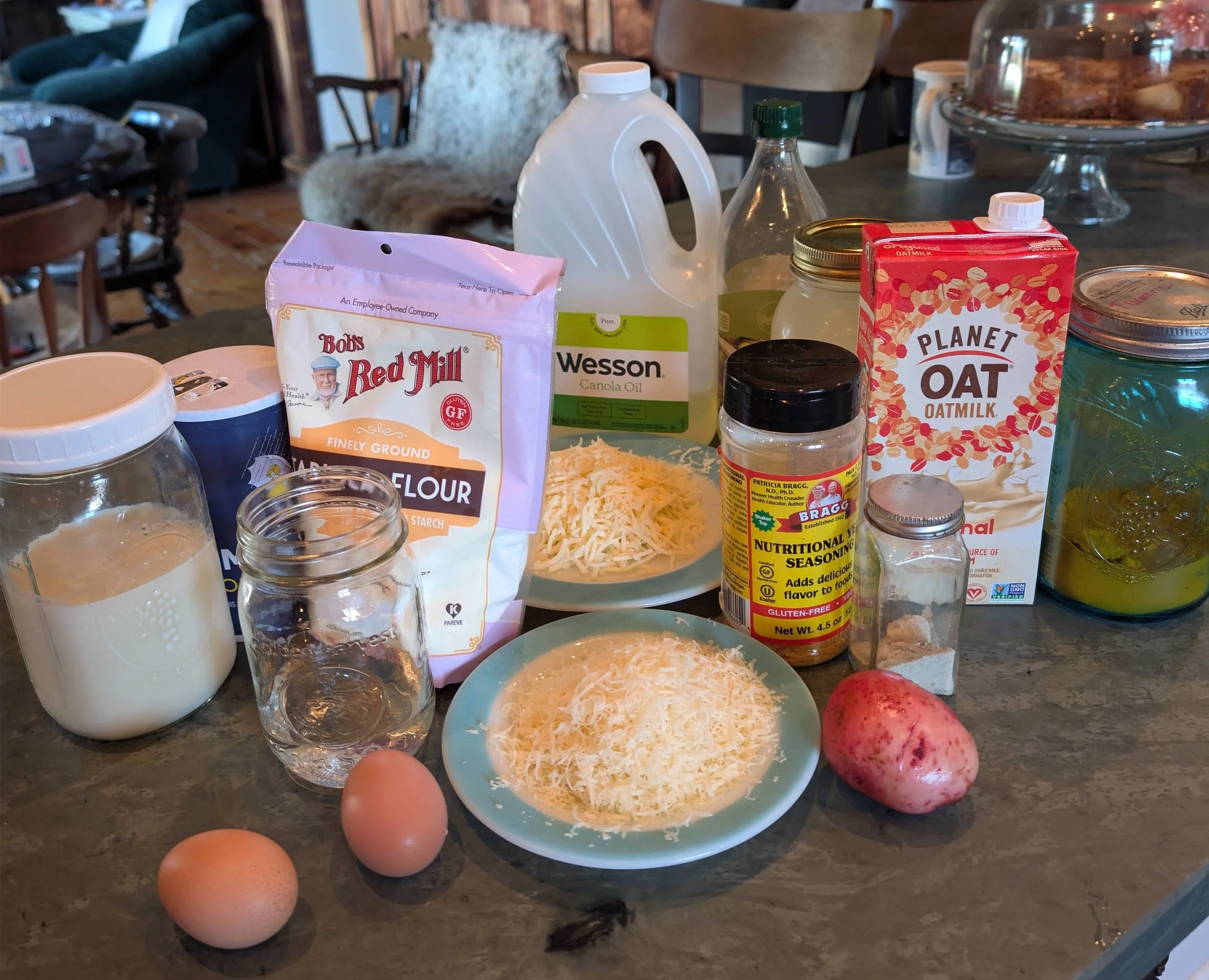
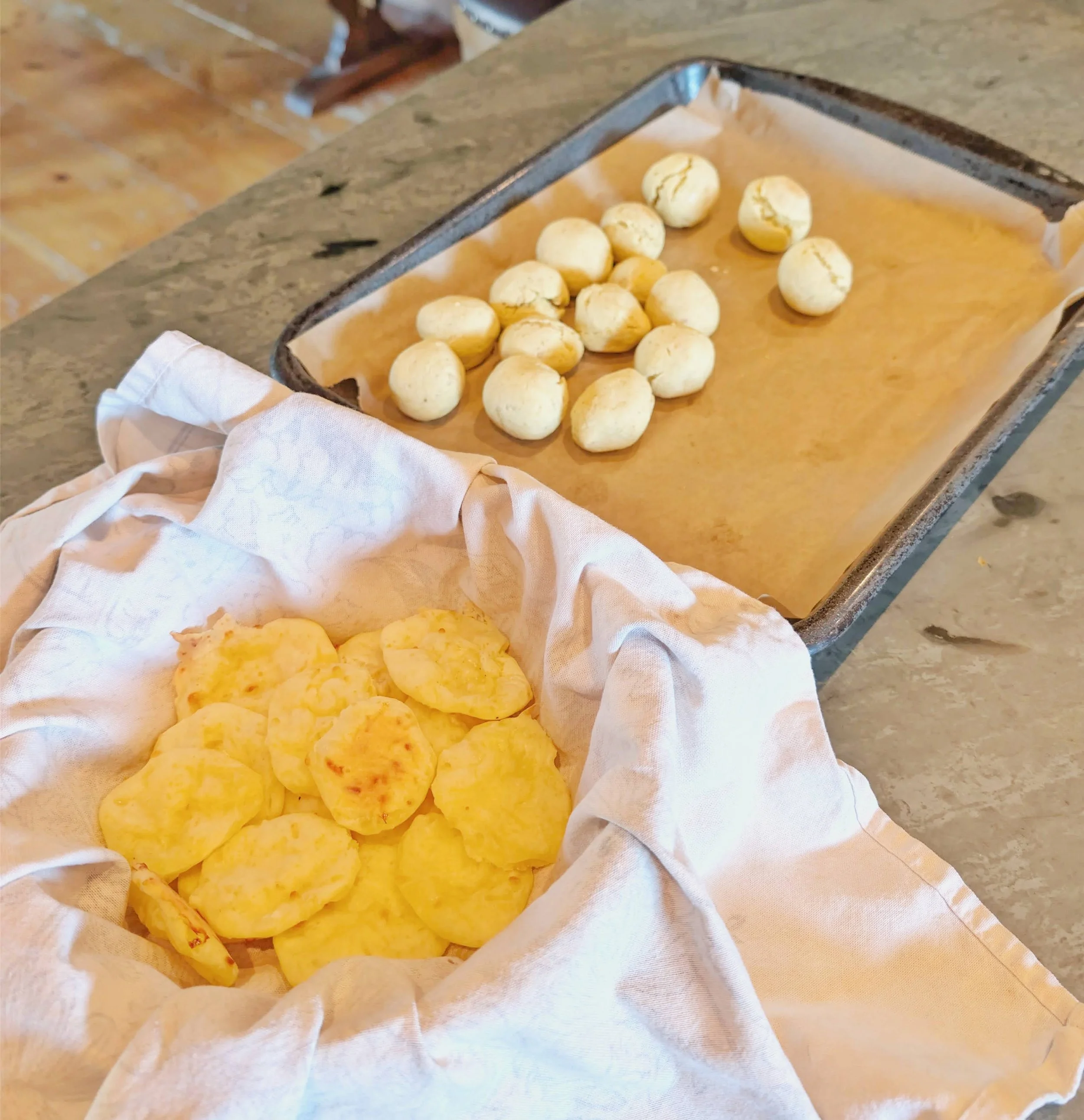
Pão de queijo, or Brazilian cheese bread, is made with cassava starch, also known as tapioca starch.
Cassava, aka manioc and yuro, is a root crop native to South America. Indigenous peoples cultivated and prepared it before colonization. It contains naturally occurring cyanide toxins, and therefore requires breaking down or pounding the roots and soaking them in water before it’s safe to eat.
Cassava became an important food source in Mintas Gervais, a village in present-day southeastern Brazil for the Guarani indigenous people prior to the 16th century. The humid ecology of the Amazon is suited for horticulturists’ cultivation of tree and root crops like cassava.
During Portuguese colonization in the 16th and 17th centuries, settlers struggled to grow wheat as was their custom. They adapted to local agricultural conditions and took over cassava production as an alternative to wheat flour. In the history of pão de queijo, cassava starch, the sediment in the wastewater of cassava processing, became an important ingredient for enslaved peoples’ subsistence.
This history reflects the unequal relationships between Indigenous peoples, Portuguese colonizers, and enslaved people from Africa. Food traditions developed through both cultural adaptation and the injustices of colonization and slavery.
Pastoralism, including beef and dairy production, expanded in Brazil, and cheese and milk became part of the bread's development. Over time, these ingredients helped shape the pão de queijo that is widely enjoyed today.
It took me a long time to realize that cassava and tapioca were connected, and I’m only learning the cultural significance. Many of us don’t necessarily know where all the ingredients in our food come from. Learning about the source of tapioca was one of those connections that helped me understand food differently.
For me, pão de queijo is the first example of the biocultural framework at work. In this bread, the crop, the environment, the nutritional role, and the historical relationships among people all contribute to its story.
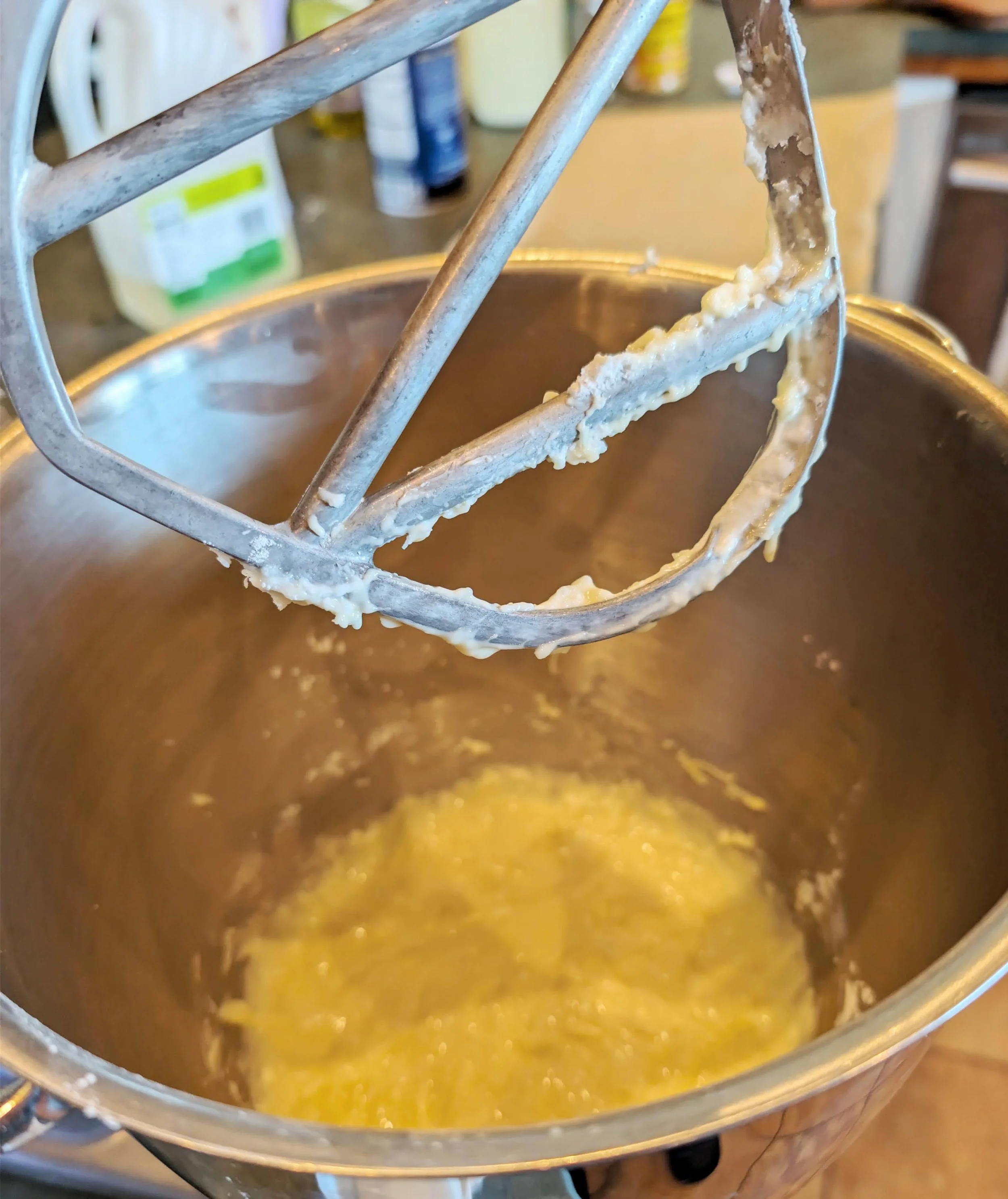
These are best served warm so that they are crisp on the outside and chewy inside. You can taste the mozzarella and Parmesan in the traditional-style cheese bread. The vegan style relies on spices like garlic, onion, turmeric, and nutritional yeast to mimic the flavors dairy imparts.
Here are the recipes:
Picanha: Brazilian Barbecue and the Parent Rhythm
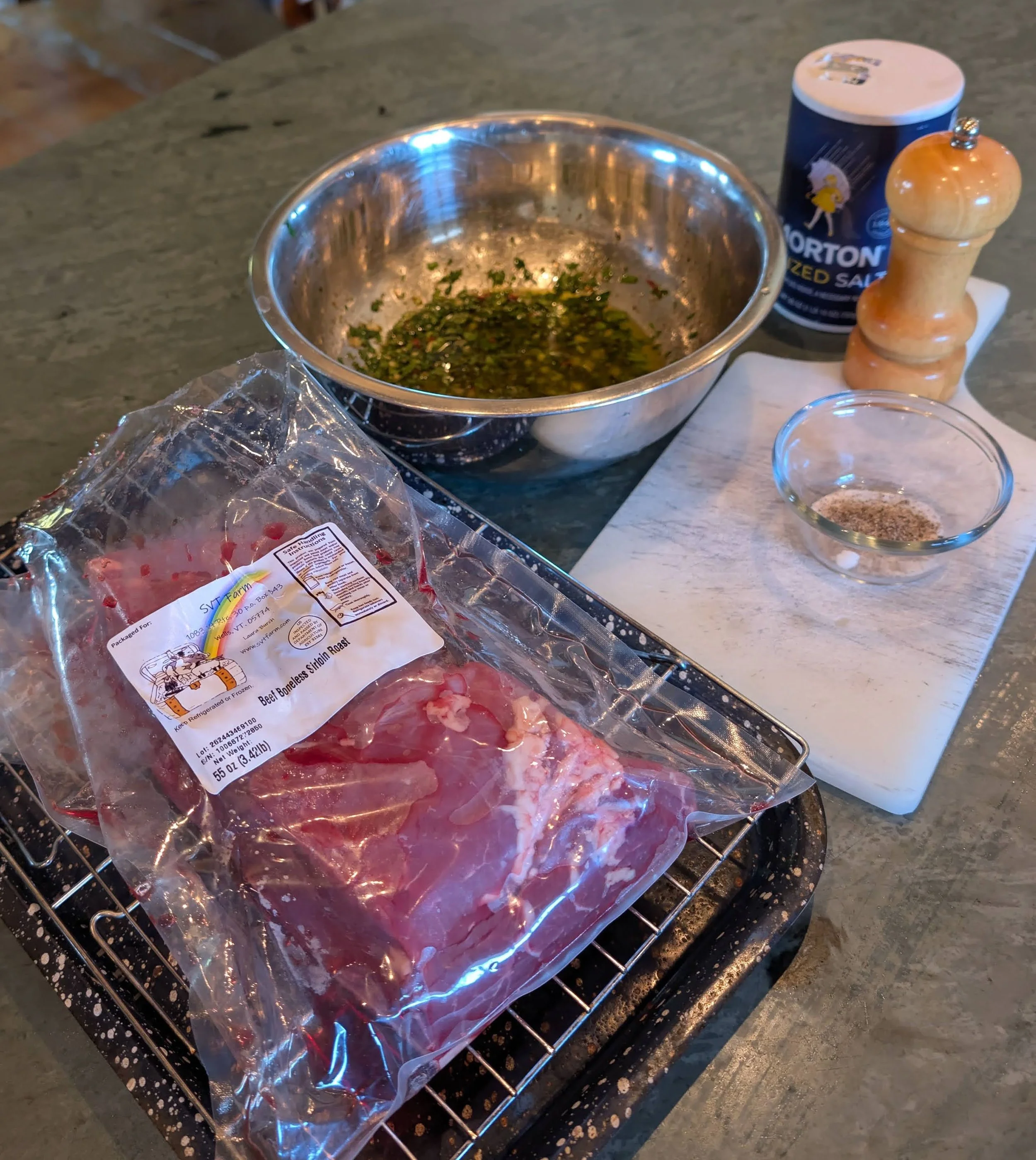
Next is the middle portion of our meal: picanha, a Brazilian barbecue favorite.
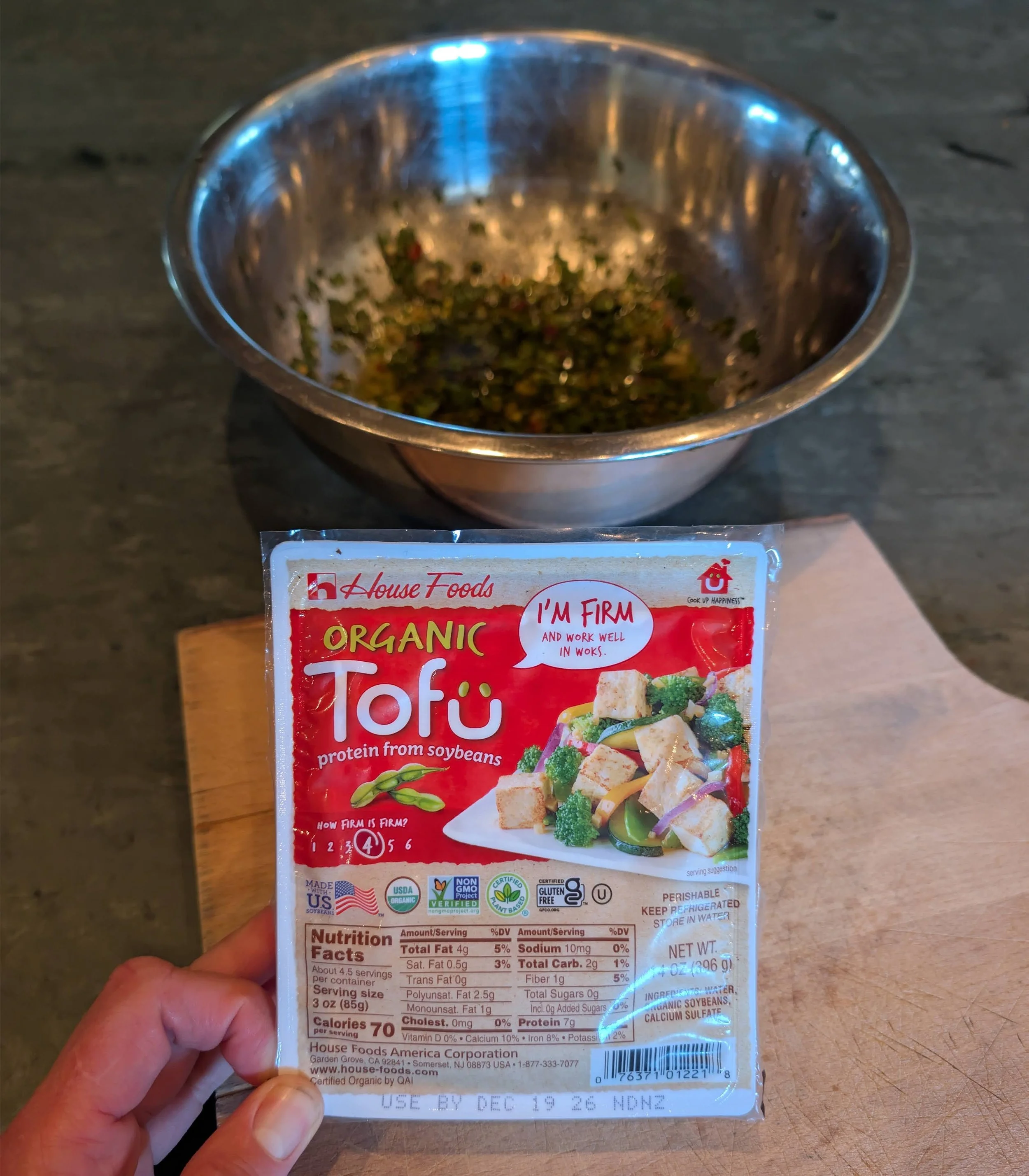
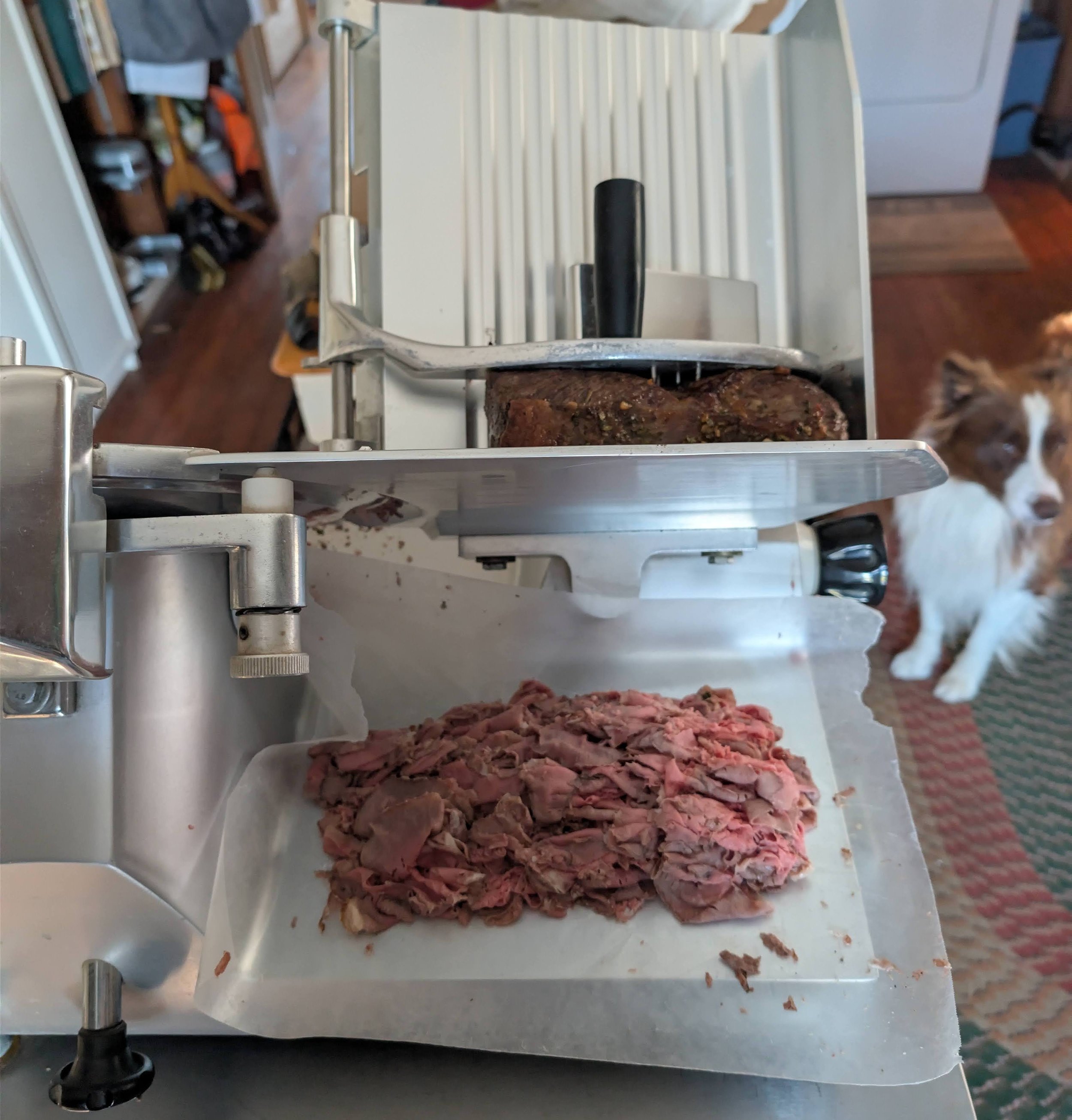
Picanha is a sirloin beef roast with a fat cap that contributes flavor when grilled or roasted. It's simply sliced for the meat’s flavor to stand out and served with a delicious chimichurri. The vegan offering is fried tofu.
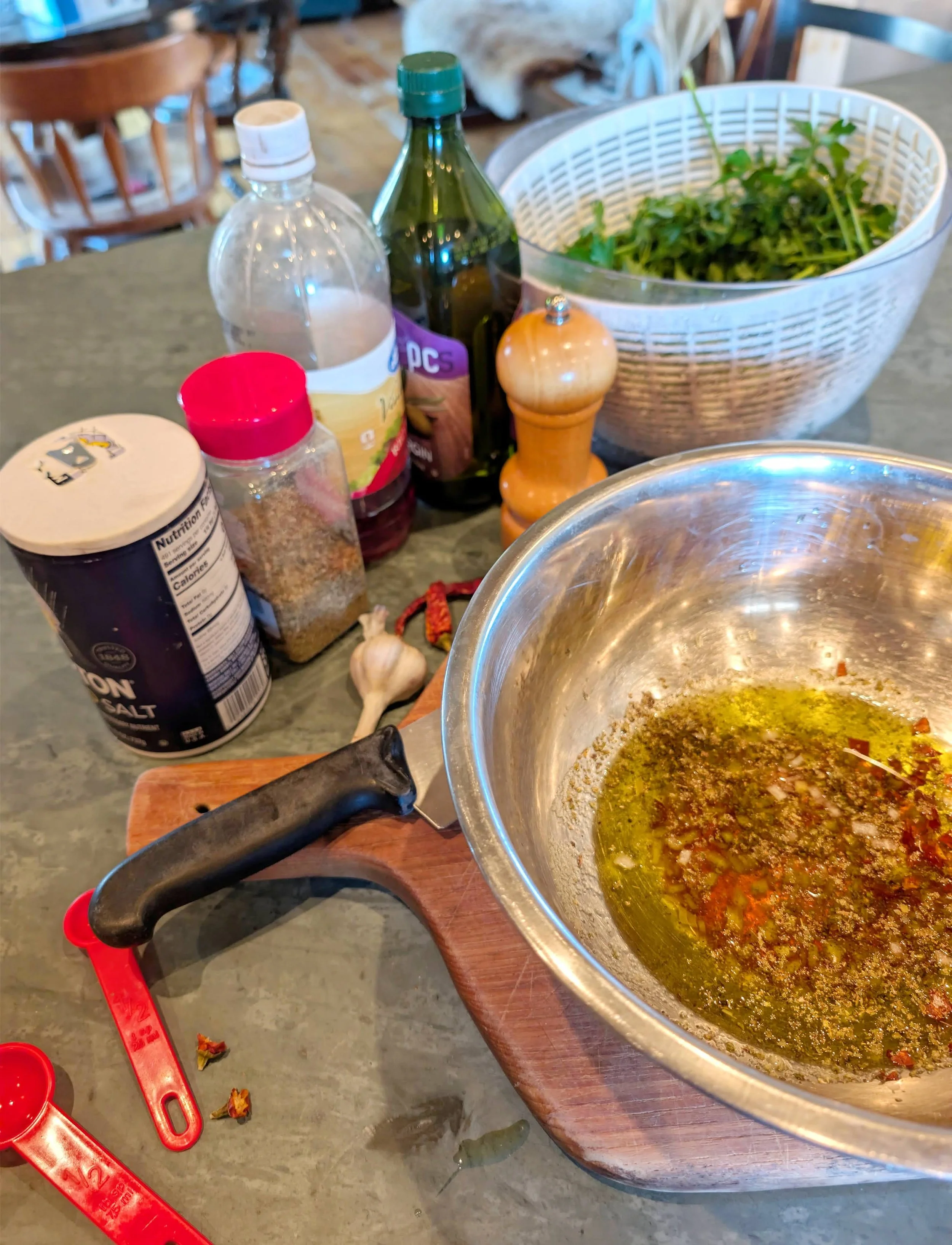
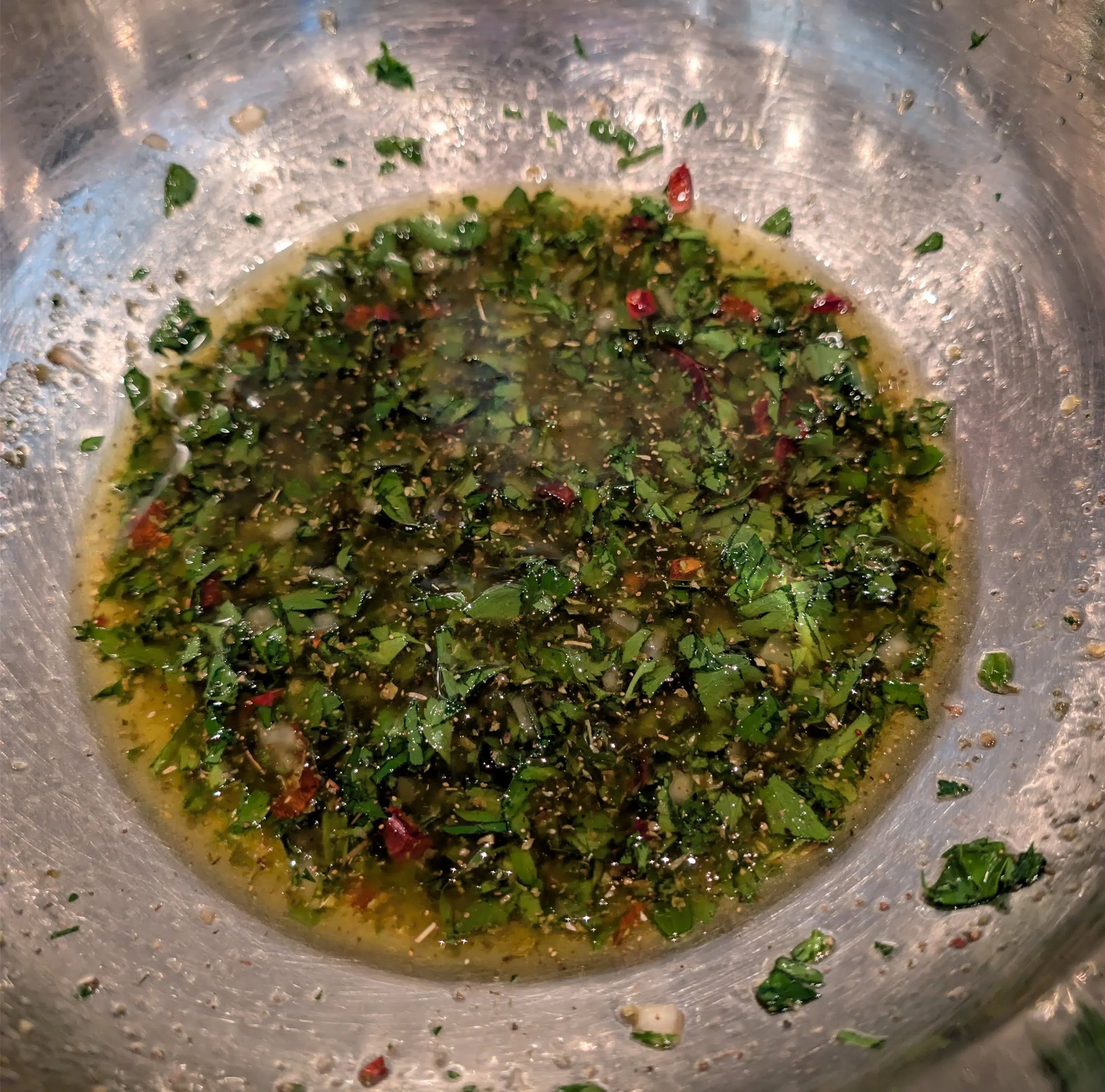
Chimichurri is an oil-based condiment commonly associated with South American cooking. It includes lots of fresh parsley, garlic, oregano, dried red pepper, vinegar, and olive oil.
Drizzle the chimichurri over the roast beef and tofu, as well as serving it on the side.
In my foodways rhythm, I think of picanha as the parent rhythm. It represents the protein in the meal and occupies the middle position in my three-part metaphor.
Parents and caregivers often serve as the central connection between generations. They help hold things together, provide nourishment, and build bridges between the young and the old.
Sharing this meal with our Djembe class created an opportunity to share that idea through food: the youth rhythm, the parent rhythm, and the grandparent rhythm.
Brigadeiros: Chocolate Sweets and the Grandparent Rhythm
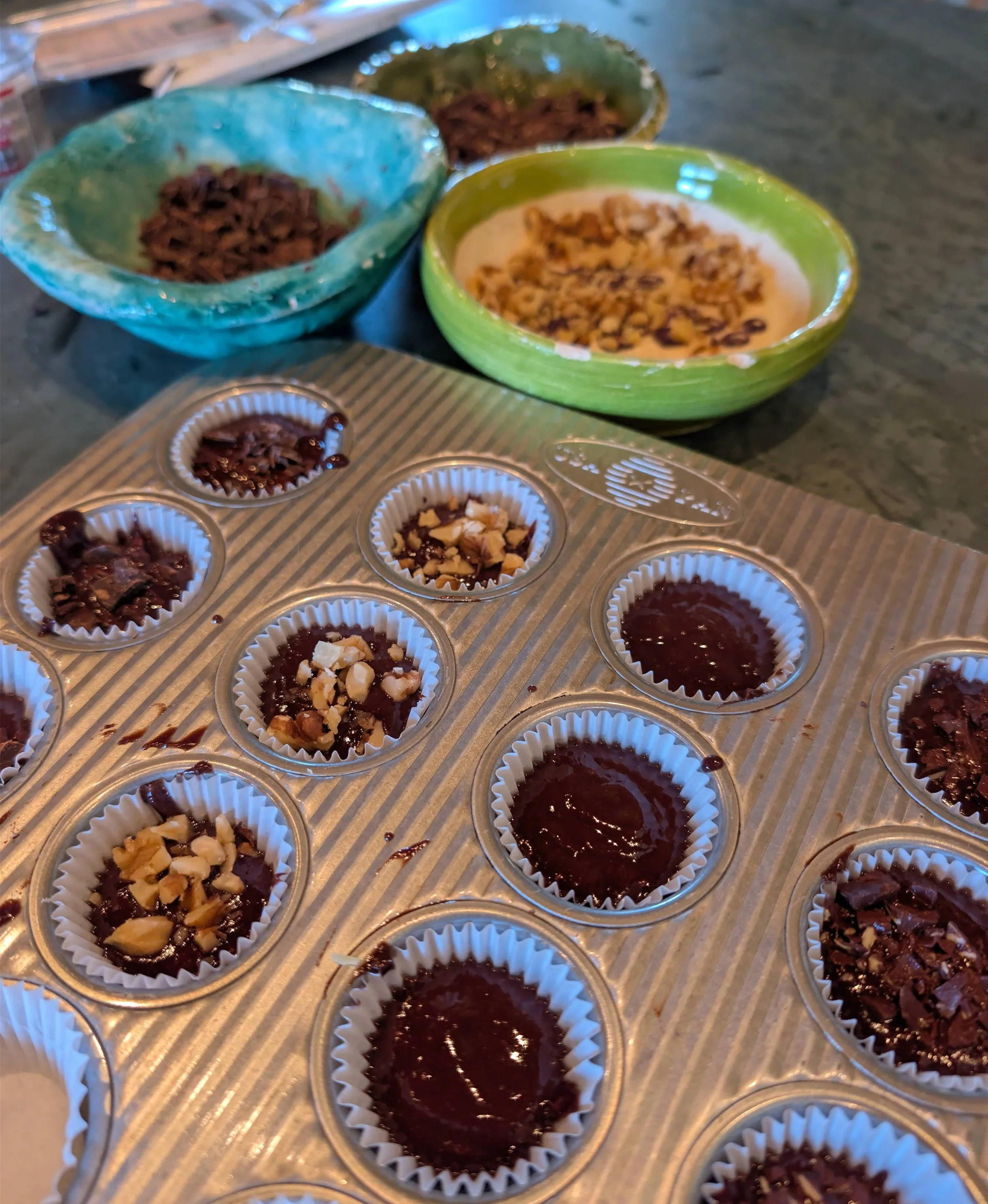
Finally, we have brigadeiros, traditional Brazilian chocolate sweets.
The first time I encountered brigadeiros was through Julia, who brought them to one of Gary’s drum school ‘Gatherings’ where all of the classes come together to share food and music. I remember that introduction because food is often how we first encounter tradition that are new to us.
Today, brigadeiros are associated with Brazilian celebrations, especially birthday parties. They are commonly made with condensed milk, cocoa, and butter, then shaped into small balls and coated with chocolate sprinkles.
The vegan version substitutes coconut oil, peanut butter, and oat milk. This version connected our rhythm study with West African food traditions by including peanut butter. Peanuts are important in many African cuisines, and this brought another ingredient and cultural perspective into the meal.
In the three part timeline, brigadeiros mark the period of industrial agriculture and processed foods.
Culturally, the name brigadeiro is associated with Brigadier Eduardo Gomes, a Brazilian military and political figure. The sweets were made and sold by female supporters as a fundraiser for the underdog campaign for social change during the first democratic presidential election for Brazil in 1945. Gomes lost the election, but his namesake is a popular, iconic national dessert.
Google. (2026, October 22). Eduardo Gomes presidential candidate Brazil 1945 and brigadeiro dociera [Generative AI chat]. URL link
For my foodways rhythm, brigadeiros represent the grandparent rhythm. They bring sweetness to the meal and remind me of the way grandparents can make gatherings feel special through treats, stories, and the simple pleasure of sharing food.
Here are the recipes for the traditional and vegan versions:
For my foodways rhythm, brigadeiros represent the grandparent rhythm. They bring sweetness to the meal and remind me of the way grandparents can make gatherings special through treats, stories, and the simple pleasure of sharing food.
Food, Rhythm, and Relationships
As I prepared this meal, I kept returning to the relationship between food and rhythm.
The three dishes offer a way for me to think about nourishment across generations. The cheese bread represents youth and energy. The beef—or tofu—represents the parent rhythm and the meal's protein at its center. The brigadeiros represent the sweetness of the grandparent rhythm.
This is my own framework for connecting the dishes. It isn't a traditional Brazilian classification of these foods, but rather a way to bring my studies of foodways and music together with people I appreciate and care about.
Food provides our bodies with energy and nutrients, but the experience of eating is about much more than the nutrients on a plate. Our meals hold the stories about where ingredients come from, who grows and prepares them, how traditions change, and how we gather around a table.
In the same way we learn to play together by listening and responding to one another, we can learn about other cultures by remaining curious and open to different perspectives.
I wanted to share these foods with people I enjoy learning, playing, and growing with. What better way to explore a culture than through food, conversation, and music?
The invitation is simple: let's eat, grow, and play together.